

THE NATURALIST GRANDEUR
Rosemary ct Cineole
Rosemary ct Cineole
Couldn't load pickup availability
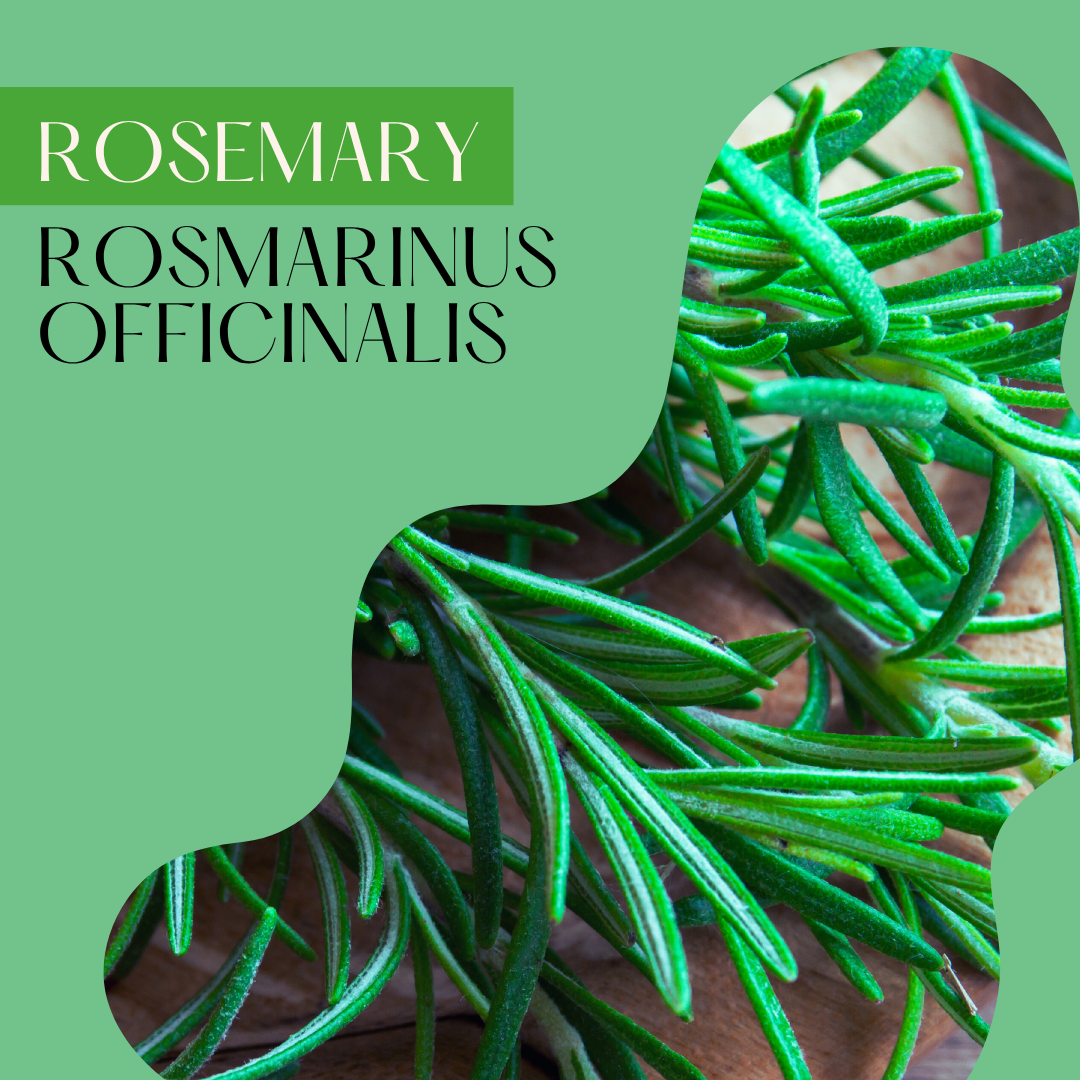
Botanical Name: Rosmarinus officinalis
Botany and Origins: Rosemary is a small evergreen shrub with thick aromatic, linear leaves, which grows up to 2m in height. It is a native of the Mediterranean region. The plant grows wild in abundance in Spain, France, Corsica, Italy, Sardinia and Tunisia. Most of the essential oil is produced in Spain, France and Tunisia. There are three primary chemotypes of rosemary oil:
- camphor-borneol (from Spain)
- 1,8-cineole (Tunisia)
- verbenone (France)
Method of Extraction: Rosemary oil is steam distilled from the leaves, flowers and twigs.
Cultivation: Conventional
Historical and Traditional Uses: The generic name Rosmarinus is dervied from the Latin ros, meaning dew, and marinus, meaning sea, referring to its habit of growing near the coast. It is probably one of the best known and most used of aromatic herbs. The ancient Egyptians favoured it and traces of it have been found in the first dynasty tombs. To the Greeks and Romans, it is considered a sacred plant. The believed it symbolised love and death. It has been used medicinally for centuries. It is recommended as a powerful remedy for stomach and liver problems. In place of more costly incense, the ancients used rosemary in their religious ceremonies. It was a custom to burn rosemary with juniper berries to purify the air and prevent infections. Rosemary was known to have a stimulating effect on the mind and as a useful aid to the memory. Consequently, the herb became known as a symbol of remembrance. It was recommended for the treatment of diseases of the head and brain, such as giddiness and swimmings therein, drowsiness or dullness, the dumb palsy, or loss of speech, the lethargy and the falling sickness. The oil was used externally as a rubefacient and was added to liniments as a fragrant stimulant. It was used to prepare Hungary water, which was used to restore the vitality of paralysed limbs. Hungary water was first prepared for the Queen of Hungary and was considered very effective in the treatment of gout. It is extensively used in hair lotions as it is reputed to renew hair growth and prevent premature baldness. It is used for the prevention of dandruff. Rosemary oil is extensively used as a fragrance component in cosmetics, soaps, detergents and perfumes.
Pharmacology and Clinical Studies: It is reported as having antimicrobial activities. It was also found to stimulate locomotor activity.
Indications:
- Cardiovascular System: Rosemary oil is considered a tonic of the heart. It is said to benefit cardiac fatigue, palpitations, low blood pressure and circulatory problems of the extremities.
- Digestive System: Rosemary is recommended as a tonic for the liver and gallbladder. It may be used in the treatment of gallbladder infections, biliary colic and gallstones via a warm compress of rosemary.
- Musculoskeletal System: It makes a good analgesic and should be used for treating rheumatism, arthritis and tired, stiff and overworked muscles.
- Nervous System: Rosemary oil is well known for its stimulating effect on the central nervous system. It is reputed to be a brain stimulant and is used for poor concentration and nervous debility.
- Respiratory System: It is recommended for catarrhal conditions and respiratory ailments such as bronchitis, asthma and sinusitis.
- Skin Care: It has traditionally been used in skin and hair care. It is extensively used in hair care products as it is reputed to stimulate hair growth and prevent pemature baldness. It is also used for the prevention of dandruff.
Safety: Rosemary oil is non-toxic, non-irritating and non-sensitising. However, it should not be used during pregnancy and by individuals suffering from epilepsy or high blood pressure.
Country of Origin: Tunisia
Size: 10ml, 30ml, 50ml (for 100ml and above, please contact us)
Share
Additional Information
Collapsible content
How to use
Diffuse & Inhale
Add 3–6 drops to a diffuser with water.
Breathe in directly from a tissue or personal inhaler for an instant lift.
Apply to Skin
Always dilute: 1–2 drops per teaspoon of carrier oil.
Use for massage, spot treatment, or in your bath.
Safety Tips
Patch test before use.
Avoid eyes and sensitive areas.
Keep away from children and pets.
Store in a cool, dark place.
Ingredients
Rosmarinus officinialis