

THE NATURALIST GRANDEUR
Peppermint Premium
Peppermint Premium
Couldn't load pickup availability
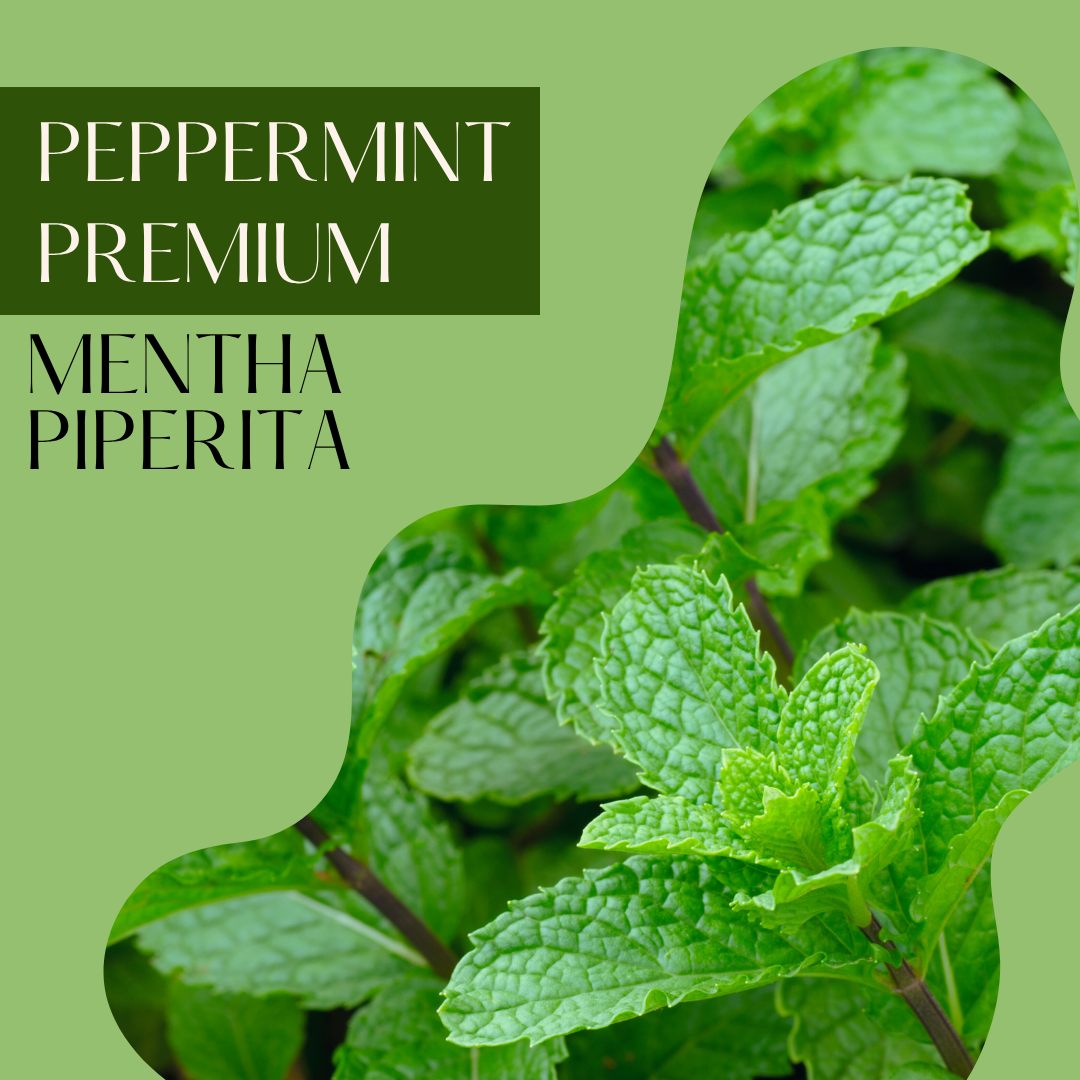
Botanical Name: Mentha piperita
Botany and Origins: Peppermint is native to southern Europe and was brought to the USA in the early 19th century. The United States is the major producer of peppermint. Peppermint is also cultivated in Argentina, Brazil, France, Italy, Morocco, Bulgaria, Holland, Spain, Germany, England, India and Australia. It is a perennial herb growing to the height of 30 to 100cm and it belongs to a genus consisting of some 20 varieties and hybrids. The major components of the different mints are menthol and pulegone. Cornmint also known as Japanese mint, is cheaper to produce than peppermint and spearmint and is often used as a 'blender' in mint flavours and as an adulterant in peppermint oil. Cornmint is considered more toxic as it has a higher pulegone content.
Method of Extraction: Peppermint oil is steam distilled from the partially dried herb.
Cultivation: Conventional
Historical and Traditional Uses: The Greeks and Romans crowned themselves with peppermint at their feasts, and that peppermint was used to flavour their sauces and wines. It was well known for its excellent effect on the digestive system. The mints have been utilised for their medicinal properties for thousands of years, but the oil itself may not have been used as a medicine much before the 16th century, when distillation reached England. Peppermint oil is extensively used in food flavouring, as a fragrance component in toothpastes, mouthwashes, soaps, detergents and perfumes.
Pharmacology and Clinical Studies: The choleretic activity of peppermint oil has been confirmed. Peppermint oil and two common essential oil constituents, limonene and geranyl acetate, were tested for their effect on the bile secretion and the results indicated that peppermint exhibited the strongest choleretic activity. Peppermint was also found to exhibit a pronounced spasmolytic effect. The antispasmodic properties of peppermint have been confirmed in clinical trials. In one trial, peppermint was found to be beneficial in helping reduce colonic spasm during endoscopy. Clinical trials involving patients who have just had a colostomy found that peppermint oil helped to reduce much of the distress associated with a colostomy. Patients were given oral doses of enteric-coated capsules containing peppermint. Peppermint was chosen as it not only had an odour that would mask the odour from the colostomy bag, but also because of its effect on the smooth muscle of the bowel. It was found to reduce colonic pressure and prevent foaming, all of which helped to reduce post operative colic and the frequency of bag change.
Menthol has been presented as a nasal decongestant. This is linked to the cool sensation thought to be due to the stimulation of the nasal cavity thermoreceptors. Menthol vapours inhibit respiration and may cause very transient apnoea in very young children. The risk is said to be minimal, yet direct application of peppermint oil on the nasal mucosa of very young children is discouraged. Peppermint oil exhibited a significant antibacterial and antifungal effect in clinical studies.
A topical preparation of peppermint oil in ethanol significantly reduced headache intensity and it was concluded that peppermint oil is an acceptable and cost effective alternative to oral analgesics in the treatment of tension headaches.
Indications:
- Analgesic Properties: Peppermint oil is used in liniments for the relief of muscle pain, lumbago, bruises and contusions, joint pain and insect bites. The local anaesthetic action of peppermint is significant. The oil is recommended for myalgia and neuralgia.
- Digestive System: Peppermint is one of the most effective essential oils for the digestive system. It relieves dyspepsia, nausea, stomach pains, diarrhoea and flatulence. It is an effective remedy for nausea and vomiting and is good for relieving travel sickness. The German Commission E Monographs recommend peppermint oil for obstructions of the bile ducts, gallbladder inflammations and severe liver damages.
- Lymphatic System: Peppermint oil has a special affinity with the blood and lymph and its refreshing effect on all the tissue lies in the liberating influence on the lymphatic system. The oil's vasoconstrictive effect increases blood flow to the spleen, stimulating the regenerative activity of the spleen in the development of new blood corpuscles. The lymphatic system is activated in its function through accelerated lymph and tissue fluid circulation.
- Nervous System: Peppermint oil helps people become clear-headed and may be beneficial for people who are unable to concentrate or who have mental fatigue. Peppermint oil prevents congestion of blood supply in the brain, helps to clear up any circulatory congestion that exists, stimulates circulation thus strengthening and calming the nerves. Cold compresses of peppermint oil may be applied to the forehead and temples to relieve headaches and migraines.
- Respiratory System: Peppermint oil is beneficial for colds and influenza associated with fever and headaches. It is recommended at the onset of a cold to alleviate the symptoms of cold. It is beneficial for sinus congestion, infection or inflammation.
- Skin Care: Peppermint can be used to relieve any kind of skin irritation or itching, but it should be used in a dilution of 1% or less or the irritation may be made worse. A steam treatment with peppermint to cleanse and decongest the skin is recommended. It cools by constricting the capillaries and is a very refreshing skin tonic.
Safety: Peppermint oil is non-toxic, non-irritating and may occasionally be sensitising. It is recommended that preparations containing peppermint oil should not be used on the face, particularly the nose, of infants and small children.
Country of Origin: USA
Size: 10ml, 30ml, 50ml (for 100ml and above, please contact us)
Share
Additional Information
Collapsible content
How to use
Diffuse & Inhale
Add 3–6 drops to a diffuser with water.
Breathe in directly from a tissue or personal inhaler for an instant lift.
Apply to Skin
Always dilute: 1–2 drops per teaspoon of carrier oil.
Use for massage, spot treatment, or in your bath.
Safety Tips
Patch test before use.
Avoid eyes and sensitive areas.
Keep away from children and pets.
Store in a cool, dark place.
Ingredients
Mentha piperita