

THE NATURALIST GRANDEUR
Patchouli Dark
Patchouli Dark
Couldn't load pickup availability
Botanical Name: Pogostemom cablin
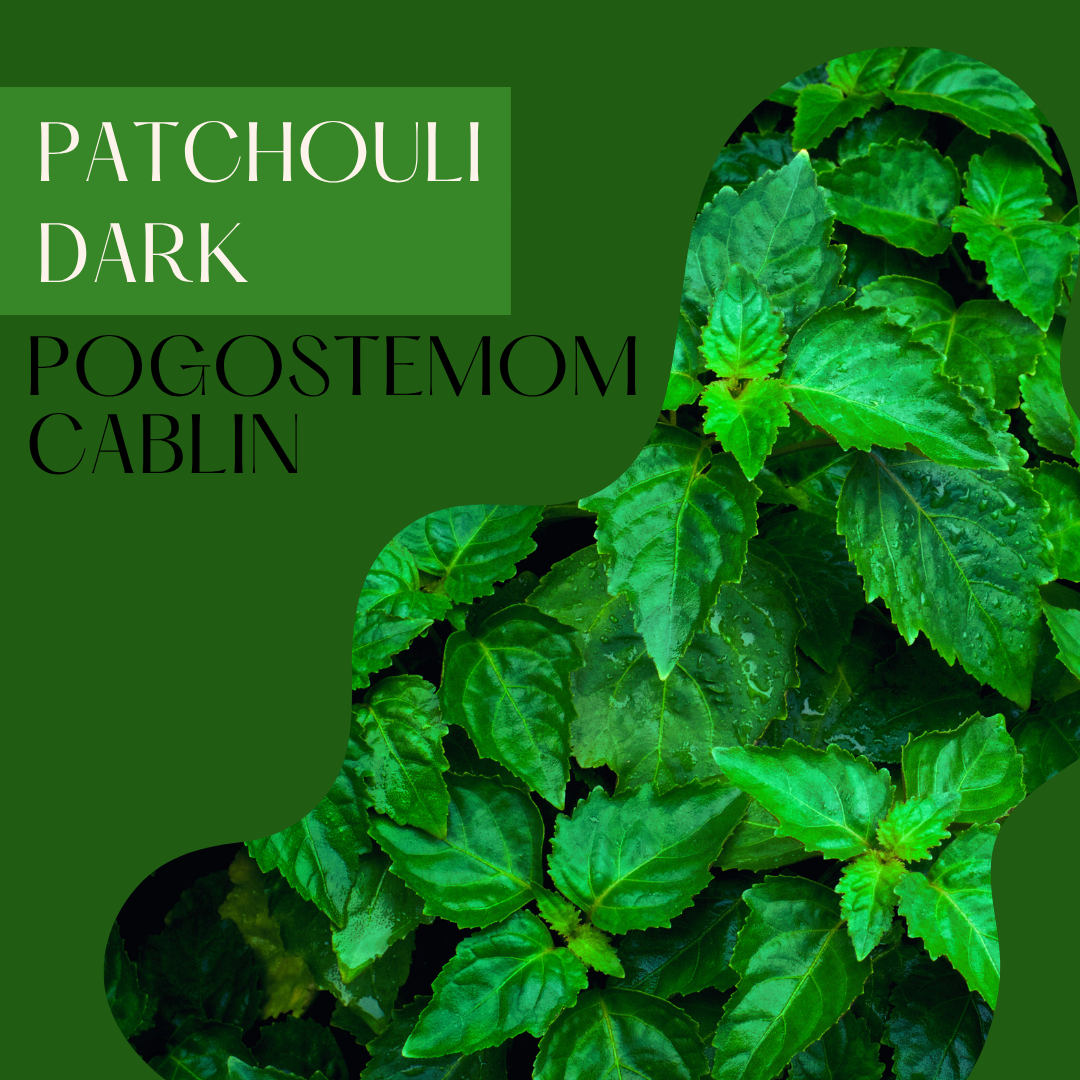
Botany and Origins: Patchouli is an aromatic, perennial shrub with erect stems, large green leaves and small white-pink flowers. The common name patchouli is probably derived from the Tamil paccilai and the species name from the Philippine vernacular cablin. There are several species that are cultivated for their oils and also referred to as patchouli oil. However, they are considered to be inferior to the oil produced from Pogostemom cablin. Patchouli is native of tropic regions of Asia and is now extensively cultivated in Indonesia, Philippines, Malaysia, China, India, Mauritius, some Caribbean countries, West Africa and Vietnam.
Method of Extraction: To extract patchouli oil, it is necessary to rupture the cell walls of the leaf before steam distillation. This is done by controlled, light fermentation, by scaling with superheated steam, or by stacking or baling the dried leaves, thus 'curing' them by fermentation. This is said to produce the best quality patchouli oil.
Cultivation: Conventional
Historical and Traditional Uses: The oil is widely used in Asia for incense, body and garment perfumes, insect repellents and sprinkled in temples. Arabs used it to perfume carpets, Indians textiles and the Chinese produced a perfumed ink for use on scrolls. The West's fascination with patchouli began in the first decades of the 19th century. In the 19th century there was an enormous amount of trade between India, the Middle East and Europe. Among the most popular goods from the East were the carpets, fabrics, clothes and woven accessories. Many of these, if not all, had layers of crushed or coarse-ground patchouli herb liberally sprinkled amongst them. This was not for aesthetic purposes but for commercial purposes. Patchouli had always been used in Asia as a repellent to moths and small insects. The popularity of the patchouli scent grew to a stage that domestically produced garments, if they were to sell at all, also had to carry the scent of patchouli.
It became the signature scent for the hippies in the 1960s. Its scent was used to mask the tarry odour of marihuana. It has become one of hte most overused social scents of the recent decades, reminding us of the psychedelic 1960s. In Asia, patchouli herb had long served as a deodorant and insect repellent. Patchouli has for centuries been part of the traditional systems of medicine in Malaysia, China and Japan. The herb is used in Chinese medicine to treat colds, headaches, nausea, vomiting, diarrhoea and abdominal pain. The oil is extensively used in perfumery, cosmetics and soaps.
Pharmacology and Clinical Studies: Pogostone, a constituent found in patchouli, is reported to having antimicrobial activities and is responsible for the bactericidal properties of patchouli oil.
Indications:
- Integumentary System: It is recommended for treating conditions such as sores, fissures, injuries, scars, skin inflammations, eczema and fungal and parasitic skin infections.
- Nervous System: Patchouli is beneficial for alleviating depression, anxiety and stress related conditions.
- Skin Care: Patchouli oil is best known in skin care and for topical applications because of its regenerating, disinfecting, moistening and cooling of tissues.
Safety: Patchouli oil is non-toxic, non-irritating and non-sensitising.
Country of Origin: Indonesia
Size: 10ml, 30ml, 50ml (for 100ml and above, please contact us)
Share
Additional Information
Collapsible content
How to use
Diffuse & Inhale
Add 3–6 drops to a diffuser with water.
Breathe in directly from a tissue or personal inhaler for an instant lift.
Apply to Skin
Always dilute: 1–2 drops per teaspoon of carrier oil.
Use for massage, spot treatment, or in your bath.
Safety Tips
Patch test before use.
Avoid eyes and sensitive areas.
Keep away from children and pets.
Store in a cool, dark place.
Ingredients
Pogostemom cablin