

THE NATURALIST GRANDEUR
Lemongrass
Lemongrass
Couldn't load pickup availability
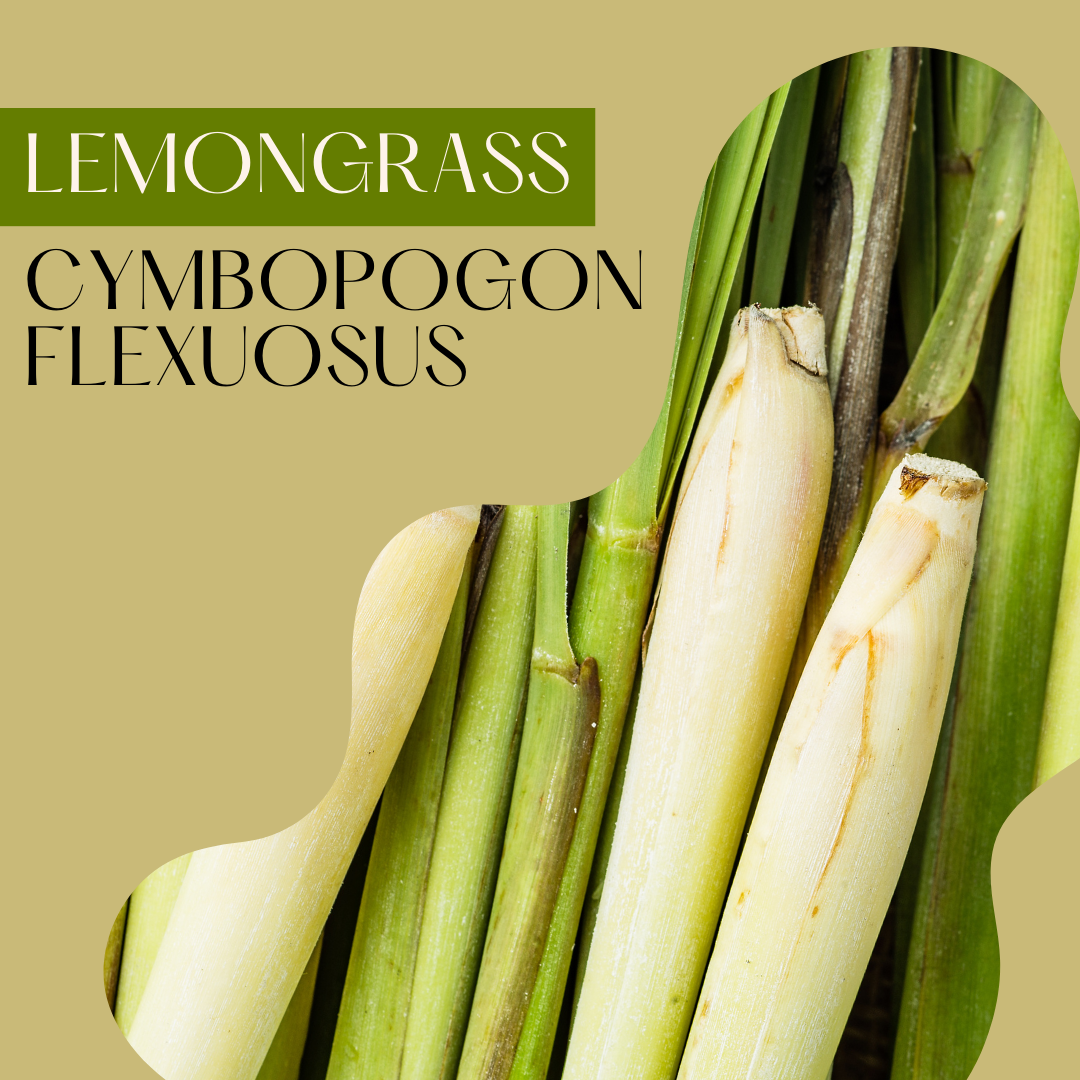
Botanical Name: Cymbopogon flexuosus
Botany and Origins: Lemongrass oil is produced from two distinctly different species of Cymbopogon. They are tufted perennial grasses with numerous stiff stems arising from a short rhizomatous rootstock. Cymbopogon flexuous is a native of India and known as East Indian Lemongrass while Cymbopogon citratus is possibly a native of Sri Lanka and is known as West Indian Lemongrass. West Indian Lemongrass are produced also in Guatemala, Madagascar, the Comoros Islands, Brazil, Malaysia and Vietnam.
Method of Extraction: Lemongrass oil is steam distilled from fresh or partly dried leaves.
Cultivation: Conventional
Historical and Traditional Uses: Lemongrass was originally used as a food flavouring in Asia. The fresh leaves are crushed in water and used as a hair wash and toilet water in India. The leaves can also be used as a source of cellulose and paper production. A majority of the essential oil is used for citral production which is used either for perfumery or flavour use and for pharmaceutical use in the synthesis of vitamin A. It is also used in TCM to treat colds, headache, stomachache, abdominal pain and rheumatic pain.
Pharmacology and Clinical Studies: Lemongrass oil has been reported to exhibit excellent antifungal and antibacterial properties. Tests identified citral and citronellal as the most active components while dipentene and myrcene had no activity. It was also found to give almost complete protection against Anopheles cullicifacies (a principal malaria carrier) for up to eleven hours. The oil was considered comparable with synthetic repellents of dimethyl and dibutyl phthalate.
Indications:
- Antiseptic: The antiseptic properties of lemongrass indicate that it would be excellent in a vaporiser to disinfect the air.
- Digestive System: It is considered a stimulant of the digestive system and is recommended for colitis, indigestion and gastroenteritis.
- Musculoskeletal System: Lemongrass oil is referred to as the connective tissue oil. It tightens the elastin fibres in the epidermis and in the subcutis. The oil is recommended in the after-care of sports injuries, sprains, bruises and dislocations.
- Nervous System: The refreshing scent of lemongrass is uplifting and energising. It aids our logical thinking and is ideal to use at home or work or wherever clear, fresh thinking and good concentration is required.
- Skin Care: Lemongrass is often recommended as a skin tonic and it is used in cleansing lotions and creams for its astringent properties. However as it may cause dermal irritation or sensitisation, it must always be used with care. It is effective as an insect repellent.
Safety: Lemongrass oil is non-toxic. However, it may be irritating and sensitising in some individuals.
Country of Origin: India
Size: 10ml, 30ml, 50ml (for 100ml and above, please contact us)
Share
Additional Information
Collapsible content
How to use
Diffuse & Inhale
Add 3–6 drops to a diffuser with water.
Breathe in directly from a tissue or personal inhaler for an instant lift.
Apply to Skin
Always dilute: 1–2 drops per teaspoon of carrier oil.
Use for massage, spot treatment, or in your bath.
Safety Tips
Patch test before use.
Avoid eyes and sensitive areas.
Keep away from children and pets.
Store in a cool, dark place.
Ingredients
Cymbopogon flexuosus