

THE NATURALIST GRANDEUR
Clove Bud
Clove Bud
Couldn't load pickup availability
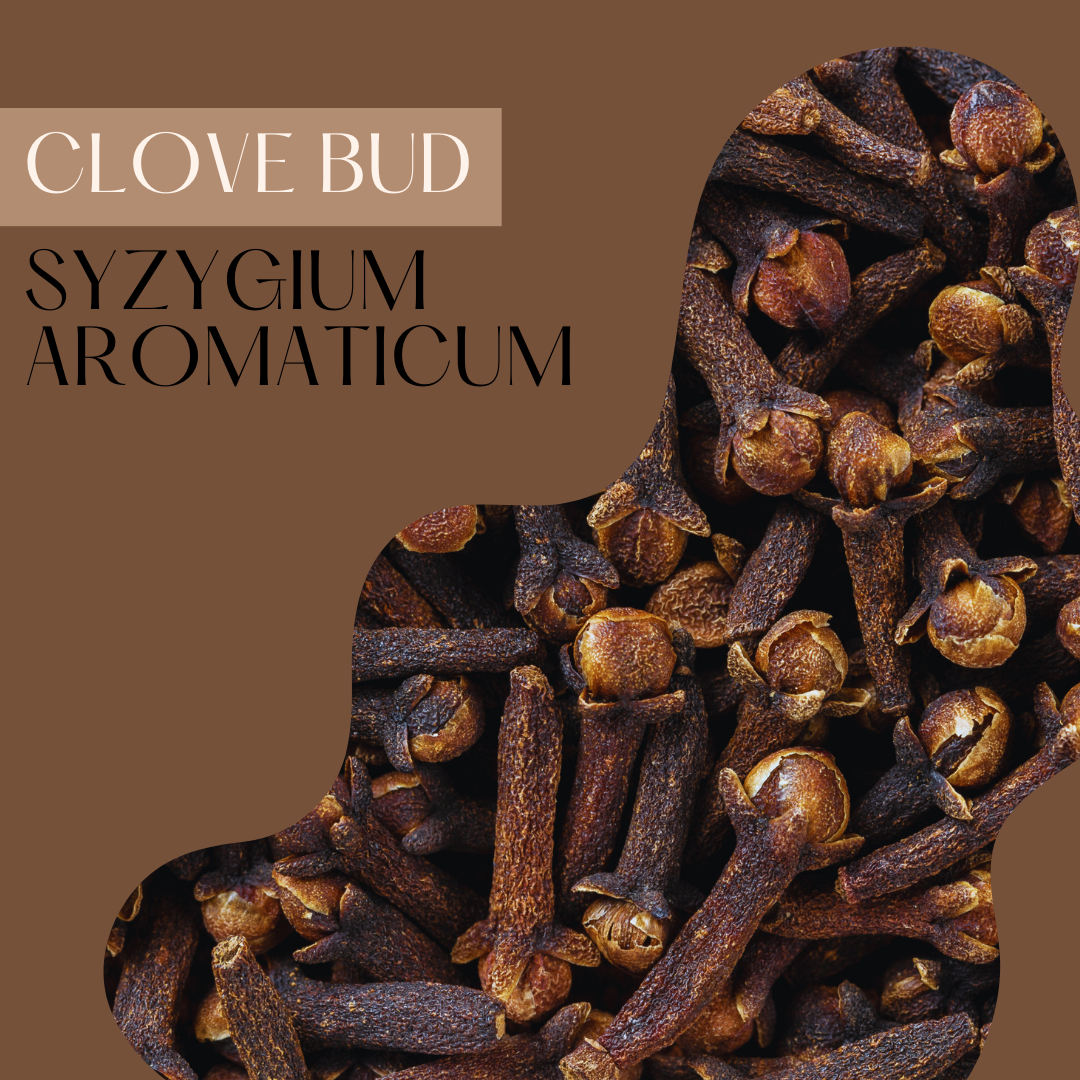
Botanical Name: Syzygium aromaticum
Botany and Origins: The clove is an evergreen tree, up to 15m high, with glossy green leaves, fragrant red flowers and purple fruits. The buds appear with a rosy-pink corolla at the tip and as the corolla fades the calyx slowly turns deep red. The calyxes are beaten from the tree and when dried, provide the clove buds of commerce. It is a long lived tree and is reported to remain productive for 150 years. The modern English name of clove is fro the French clou, meaning nail, derived from the Latin clavus. The clove is indigenous to the Moluccas, now part of Indonesia. The first recorded use was in the Chinese Han period 220-206 BC where it was used to sweeten the breath.
The origins of cloves became known in Europe following a publication by Marco Polo in AD 1298. Venice was the leading European source of cloves and other spices in the 13th century. Cloves were traded in Europe via the Arabs, who for centuries had a monopoly of the seaborne spice trade until it was broken by the Portuguese in the 16th century where they had a monopoly in the trade of cloves for over a century.
The Dutch broke the Portuguese monopoly. In order to prevent other countries from obtaining cloves, the Dutch issued a proclamation in 1621 which ensured that all clove trees be destroyed except on Ambonia and adjacent islands. Cloves were introduced to Zanzibar in the 19th century and being part of Tanzania, has become the world's largest exporter of cloves.
Method of Extraction: Clove Bud essential oil is steam distilled from the dried flower buds.
Cultivation: Certified Organic
Historical and Traditional Uses: During the Renaissance, pomanders were made with cloves to keep epidemics and the plague at bay. Cloves are used in traditional medicine as a carminative, anti-emetic, and counterirritant. Clove tea is used to relieve nausea and the oil is well known for its ability to alleviate toothache. In TCM, clove oil is used for diarrhoea, hernia, and bad breath. Clove buds are recommended in the German Commission E Monographs as a mouthwash for the treatment of inflammatory changes of the oral and pharyngeal mucosa and for topical analgesia in dentistry. The main use of cloves, whole and ground, is as a domestic culinary spice and for the production of sauces and pickles. Indonesia is one of the largest consumers of clove buds. The comminuted clove buds are used to the extent of up to 8% in Indonesia kretek cigarettes.
Pharmacology and Clinical Studies: Clove oil is reported to be antiseptic, exhibiting broad antimicrobial activities, as well as having anthelmintic and larvicidal properties. The oil is also reported to have antihistaminic and spasmolytic properties. It is a potent inhibitor of platelet aggregation.
Clove oil has long been used as a local analgesic for the relief of toothache. Eugenol, like other phenols, acts to depress sensory receptors involved in pain perception. The mechanism of action involves a pronounced inhibition of prostaglandin biosynthesis resulting from blockages of the cyclo-oxygenase and lipoxygenase pathways. At high doses (0.5ml/kg), clove oil is toxic, especially in young children, in whom it causes CNS depression, hepatic necrosis, convulsions and/or major haemostatic abnormalities.
Indications:
- Analgesic: The dental value of cloves is well known. The oil has a minor anaesthetic effect. A cotton bud dipped in the undiluted oil and applied to the surface of the aching tooth and surrounding tissue or, if possible, inserted directly into the cavity will alleviate the pain for several hours.
- Antiseptic Properties: Clove oil has excellent antiseptic properties, because of the high proportion of eugenol. It may be used for the prevention of colds and flus. A 1% emulsion of clove oil has an antiseptic strength three to four times greater than phenol.
- Digestive System: Being a carminative and antispasmodic, it helps stimulate digestion, restores appetite and reileves flatulence.
- Musculoskeletal System: For rheumatic pains, clove oil will help relieve arthritis, rheumatism and sprains.
- Nervous System: Clove oil is a physical and mental tonic and should be used in conjunction with peppermint to ward off drowsiness.
- Skin Care: While clove bud oil may be used as an insect repellent, it is generally not used in skin care as it is a potential dermal irritant and sensitiser.
Safety: It has been reported to be a potential skin irritant and sensitising agent. A near-fatal ingestion of clove oil was reported involving a 2 year old boy who had drunk between 5 to 10ml of clove oil.
Country of Origin: Indonesia
Size: 10ml, 30ml, 50ml (for 100ml and above, please contact us)
Share
Additional Information
Collapsible content
How to use
Diffuse & Inhale
Add 3–6 drops to a diffuser with water.
Breathe in directly from a tissue or personal inhaler for an instant lift.
Apply to Skin
Always dilute: 1–2 drops per teaspoon of carrier oil.
Use for massage, spot treatment, or in your bath.
Safety Tips
Patch test before use.
Avoid eyes and sensitive areas.
Keep away from children and pets.
Store in a cool, dark place.
Ingredients
Syzygium aromaticum