

THE NATURALIST GRANDEUR
Bergamot Calabrian
Bergamot Calabrian
Couldn't load pickup availability
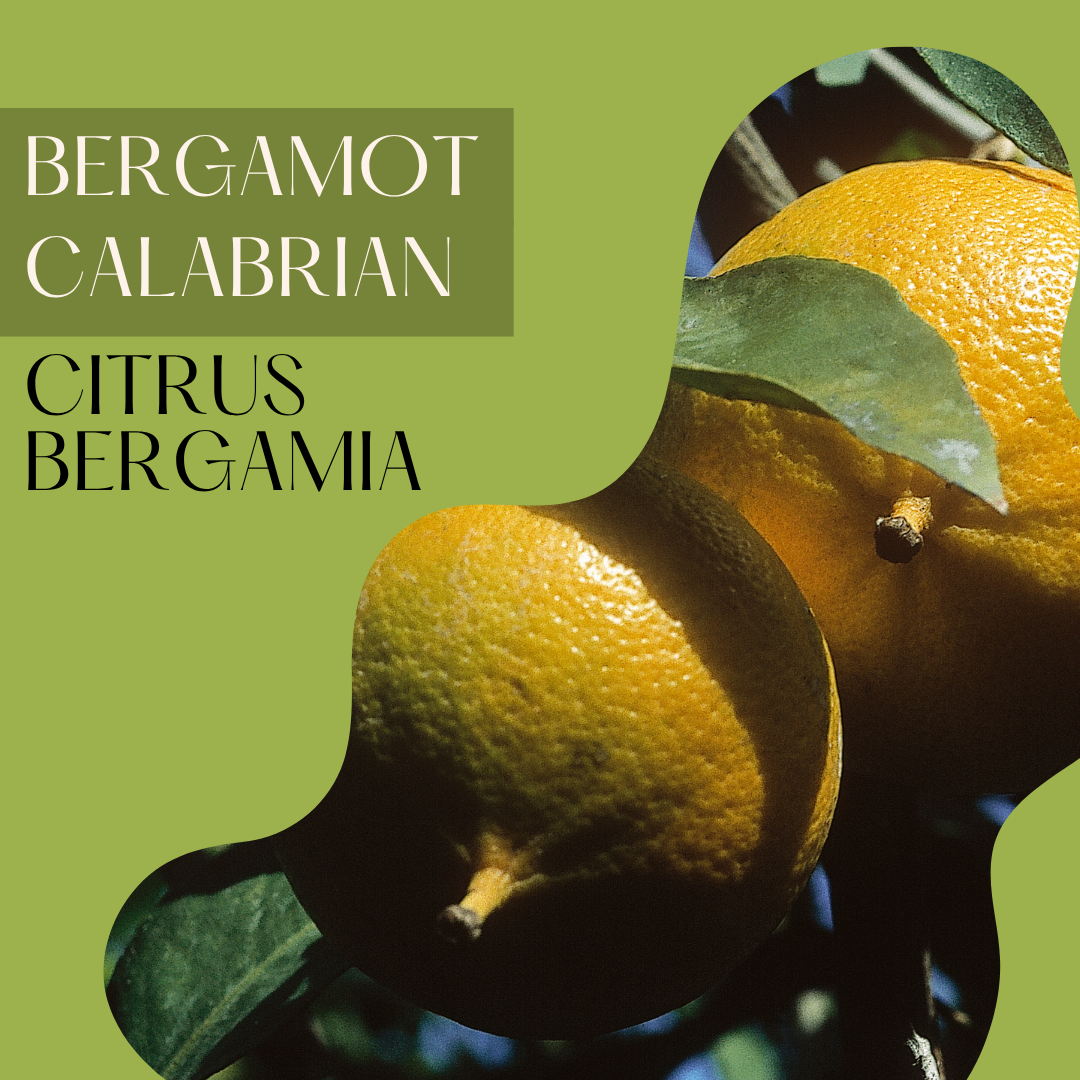
Botanical Name: Citrus bergamia
Botany and Origins: The botany and origin of bergamot is somewhat obscure. It is an upright tree up to 12m with a single trunk and numerous branches. Under cultivation, the trees are pruned to 4-5m and the branches are cut back to maintain a tree diameter of 5m. The fruit is generally globoid to 7.5cm, the peel is thin, tough, smooth and green, becoming yellow when ripe.
The bergamot fruit is not edible because the pulp is too sour. As a result, it is primarily cultivated for its essential oil. The tree grew almost exclusively in a narrow strip in the southern part of Calabria, Italy.
Method of Extraction: Bergamot oil is produced by cold expression from the peel of the nearly ripe fruit.
Cultivation: Conventional
Historical and Traditional Uses: The origins of the word bergamot are shrouded in mystery. It might be named after the Italian city of Bergamo in northern Italy where the oil is first sold. The development of the toilet water known as eau-de-cologne, originally made in Italy by the Feminis family in the sixteenth century, stimulated bergamot oil production, as the oil is an essential ingredient. The oil has been used in Italian folk medicine for the treatment of fever and worms. Bergamot also imparts a pleasant flavour to Earl Grey tea and is considered one of the most popular essential oils for use in perfumery.
Pharmacology and Clinical Studies: Bergaptene, known as 5-methoxypsoralen, which is present in bergamot oil, has been shown to be phototoxic when tested on human skin.
Indications:
- Digestive System: Its action on the digestive system in carminative and digestive, and it is useful in relieving colic, flatulence and indigestion. Bergamot oil is particularly indicated for nervous indigestion and loss of appetite due to emotional stress.
- Immune System: Bergamot oil has been found to inhibit the herpes simplex I virus which causes cold sores. It is particularly effective in combination with tea tree and lavender for the treatment of cold sores, chicken pox and shingles.
- Nervous System: The fruity and lively but gentle, floral scent of bergamot gives the oil a sedative and yet uplifting quality. It is recommended for people who are tense, anxious or depressed. Its antidepressant property combined with its regulatory effect on appetite would seem to indicate its use in treating eating disorders such as anorexia nervosa.
- Urinary System: It is recommended for the treatment of cystitis and urinary tract infections. It can be used in the very early stages of cystitis to prevent the infection spreading. This can be done by adding no more than 3 drops of bergamot essential oil to a bath and using it as a local wash.
- Skin Care: Bergamot's antiseptic action makes it beneficial for treating wounds, herpes and acne. It is recommended for oily skin types and is used as an effective deodorising agent.
Safety: Bergaptene has been found to be phototoxic on the skin. Avoid exposure to the sun after having used bergamot in massage or bath.
Country of Origin: Italy
Size: 10ml, 30ml, 50ml (for 100ml and above, please contact us)
Share
Additional Information
Collapsible content
How to use
Diffuse & Inhale
Add 3–6 drops to a diffuser with water.
Breathe in directly from a tissue or personal inhaler for an instant lift.
Apply to Skin
Always dilute: 1–2 drops per teaspoon of carrier oil.
Use for massage, spot treatment, or in your bath.
Safety Tips
Patch test before use.
Avoid eyes and sensitive areas.
Keep away from children and pets.
Store in a cool, dark place.
Ingredients
Citrus bergamia