

THE NATURALIST GRANDEUR
Tea Tree
Tea Tree
Couldn't load pickup availability
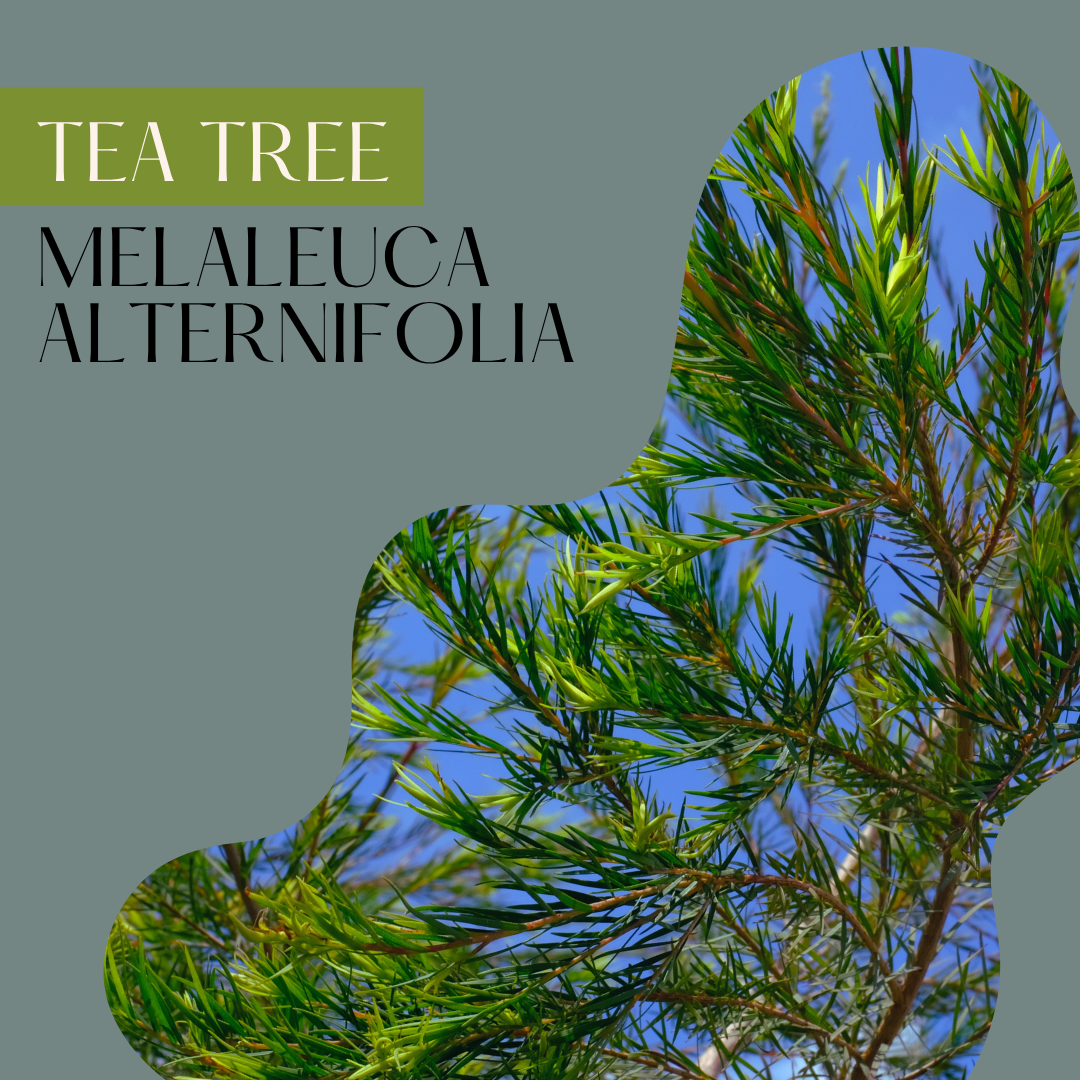
Botanical Name: Melaleuca alternifolia
Botany and Origins: It is a shrub or small tree which grows up to 5m to 7m, usually with a single trunk but may have multiple stems originating from a common rootstock. Tea Tree is confined to the warmer, wetter, east coast of Australia. It naturally prefers swampy areas, drainage lines and river banks. Most of the oil available nowadays is from commercial plantations. The name Melaleuca is derived from the Greek word melos (dark, black) and leukon (white). This name was apparently given to the first species described, Melaleuca leucadendron, which had white papery bark on the higher stems and branches and a black lower trunk. The common name of paperbark refers to the paper-like bark which can often be peeled from the larger trees in broad strips.
Method of Extraction: Tea Tree oil is water or steam distilled from the plant.
Cultivation: Conventional
Historical and Traditional Uses: The Australian aborigines have long recognised the virtues of tea tree. The leaves were simply crushed in the hand and the volatile oil inhaled to relieve colds and headaches. The name tea tree was first used by Captain Cook in 1777, when the leaves were brewed to make a tea to prevent scurvy. The common name of tea tree applies to a number of species of leptospermum and melaleuca. Tea Tree oil was first distilled in Australia in the 1920s. The medicinal properties of the oil were soon identified.
Pharmacology and Clinical Studies: The antibacterial and antifungal properties of Tea Tree oil are well documented through clinical studies. Comparative tests have also shown its potential benefits in treating acne (vs benzoylperoxide) and onychomycosis (vs clotrimazole). Onychomycosis is a common cause of nail disease which is caused by Trichophyton rubrum and Candida species. A double-blind trial compared 1% clotrimazole and 100% Tea Tree oil by applying them directly to the toenails twice daily for six months. The results showed similar improvement in clinical assessment, nail appearance and. symptomatology. Both preparations were comparable in efficacy and cost. It has also been successfully tested for vaginal infections.
Indications:
- Antimicrobial Properties: Tea Tree is considered unusual in that it has a broad spectrum antimicrobial activity against bacteria, viruses and fungi.
- Genitourinary System: Tea Tree oil is recommended for the treatment of thrush, vaginitis, cystitis and pruritis.
- Immune System: It is a very powerful immunostimulant, so when the body is threatened with any infection, Tea Tree increases its ability to respond. It is recommended for debilitating illnesses such as glandular fever, and for people who repeatedly succumb to infections or who are very slow to recover from any illness.
- Respiratory System: It is recommended for the treatment of asthma, bronchitis, catarrh, coughs, sinusitis and whooping cough.
- Skin Care: It is recommended for the treatment of acne, athlete's foot, blisters, burns, cold sores, dandruff, herpes, insect bites, oily skin rashes, verrucae, warts and wounds.
Safety: Tea Tree oil is non-toxic, non-irritating and possibly sensitising to some individuals.
Country of Origin: Australia
Size: 10ml, 30ml, 50ml (for 100ml and above, please contact us)
Share
Additional Information
Collapsible content
How to use
Diffuse & Inhale
Add 3–6 drops to a diffuser with water.
Breathe in directly from a tissue or personal inhaler for an instant lift.
Apply to Skin
Always dilute: 1–2 drops per teaspoon of carrier oil.
Use for massage, spot treatment, or in your bath.
Safety Tips
Patch test before use.
Avoid eyes and sensitive areas.
Keep away from children and pets.
Store in a cool, dark place.
Ingredients
Melaleuca alternifolia